
When a home doesn’t sell, it’s easy to assume the market is to blame. But in many cases, the real issue is pricing – specifically, starting too high and then chasing the market down.
This property is a real example.
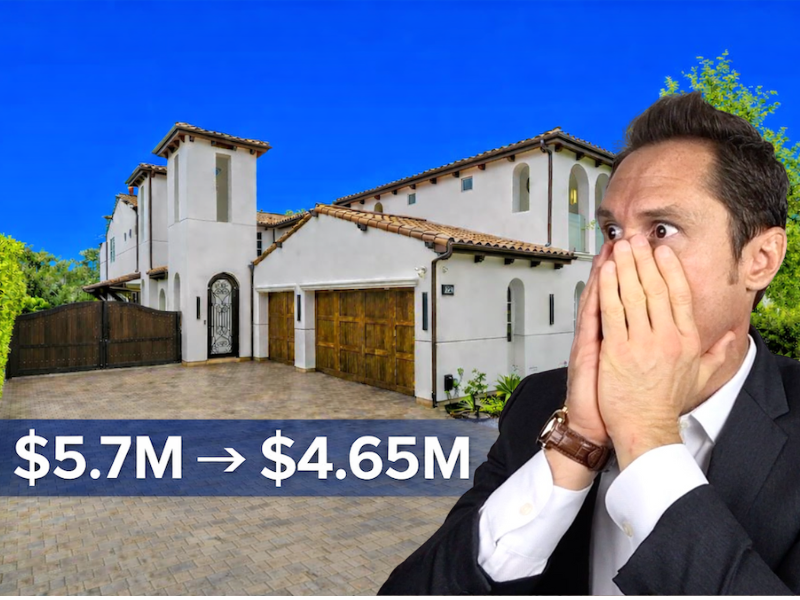
At one point this home was listed at $5.7M million and ultimately sold for $4.65 million after spending 11 months on the market. During that time, the seller went through multiple agents and several price adjustments before finding a buyer.
The home itself was renovated and had some unique characteristics, including a backyard view adjacent to soccer fields. While those features made it interesting, they weren’t enough to overcome the effects of overpricing at the start.
What happened
When a property is priced above what the market is willing to pay, buyers often don’t engage at all. Instead of receiving strong early interest, the listing sits. Over time, price reductions become necessary, and the home can develop a stigma – buyers begin to wonder what’s “wrong” with it.
In this case, repeated price changes and agent switches didn’t reset buyer perception. Each reduction brought the price closer to reality, but the home had already missed the window when buyer interest is typically strongest.
The key lesson
Pricing a home correctly from the beginning gives sellers their best chance to:
-
attract serious buyers early
-
create competition
-
avoid long days on market
-
reduce the risk of large price drops later
Overpricing often has the opposite effect. Instead of testing the market upward, sellers end up chasing it downward.
What’s the Bottom Line?
Every seller wants to achieve the highest possible price – and that’s understandable. But the path to that outcome isn’t by overpricing it. It’s strategic pricing from day one, aligned with buyer expectations and current market conditions.
This sale is a clear example of how initial pricing decisions can significantly impact both timing and final results.
Subscribe to My YouTube Channel for more Real Estate Information and Tips.